
PT100 Temperature Sensor - Plastic-Encapsulated Type
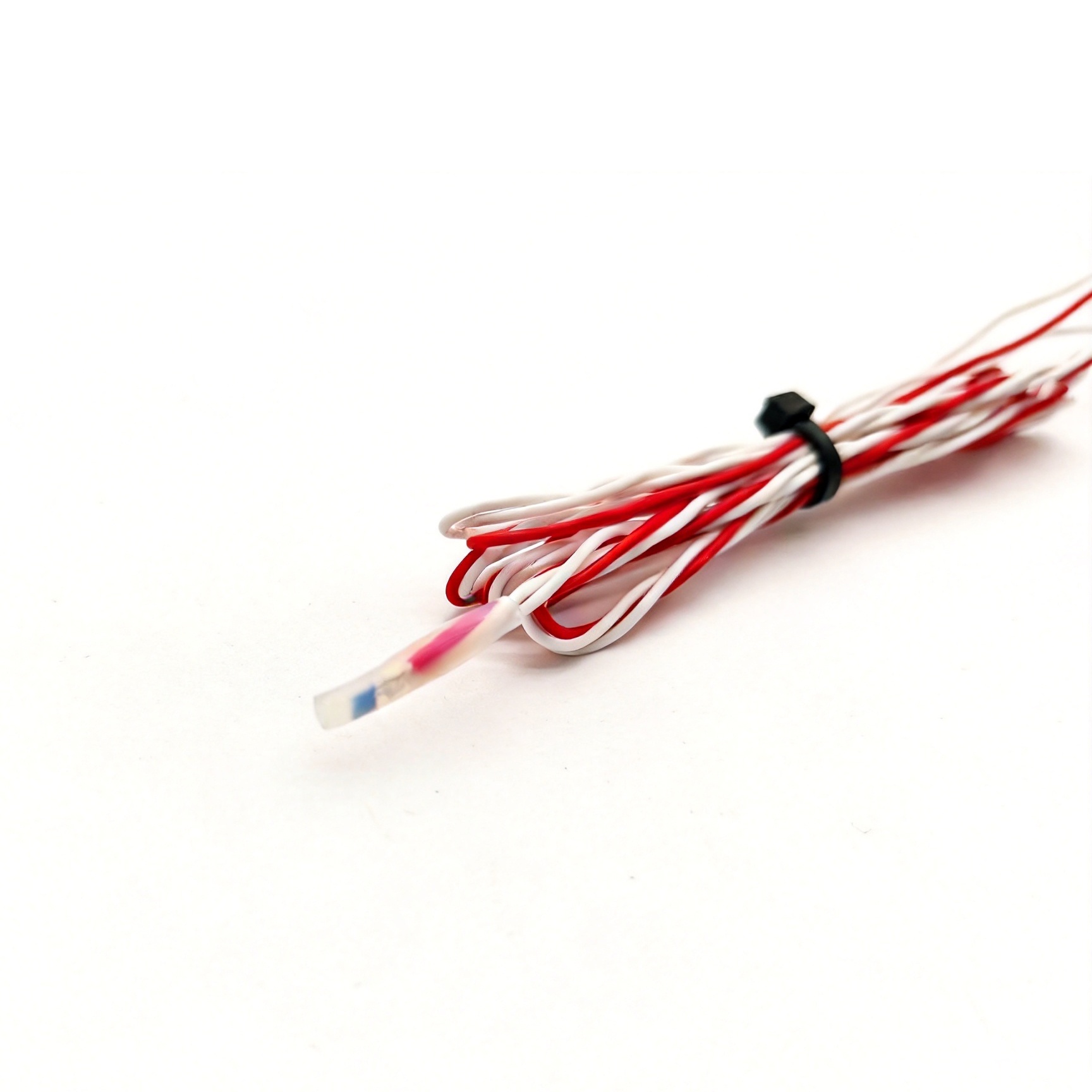
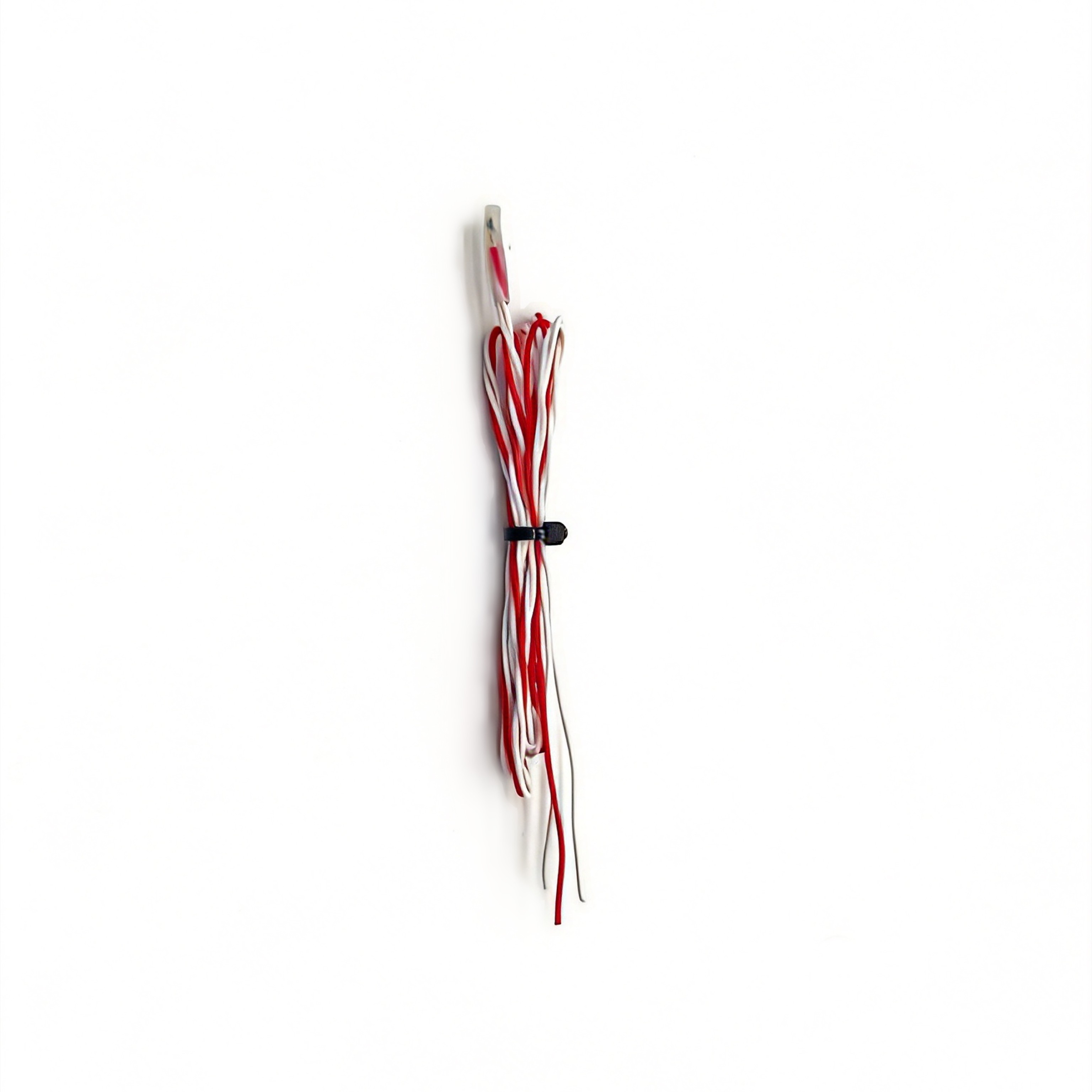
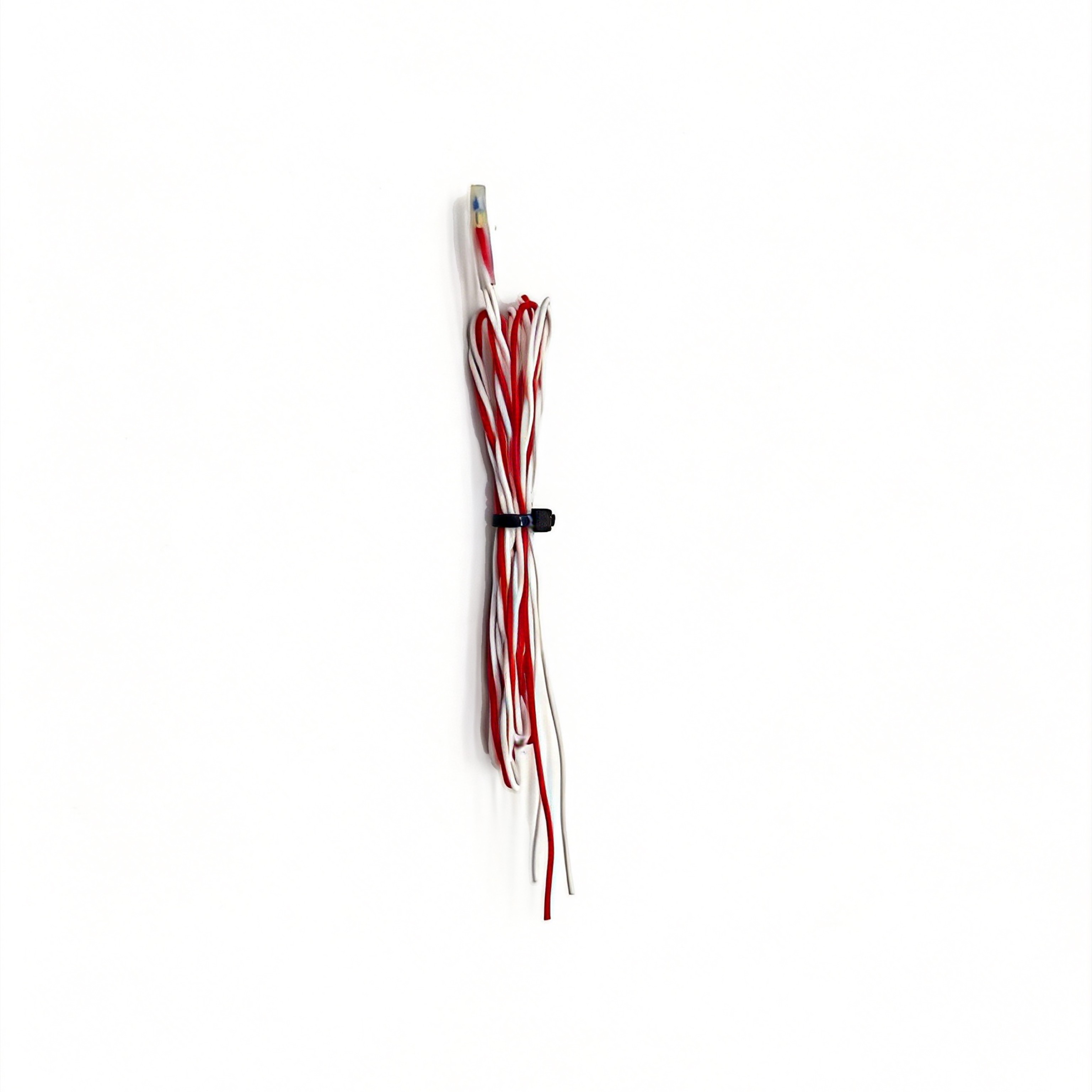
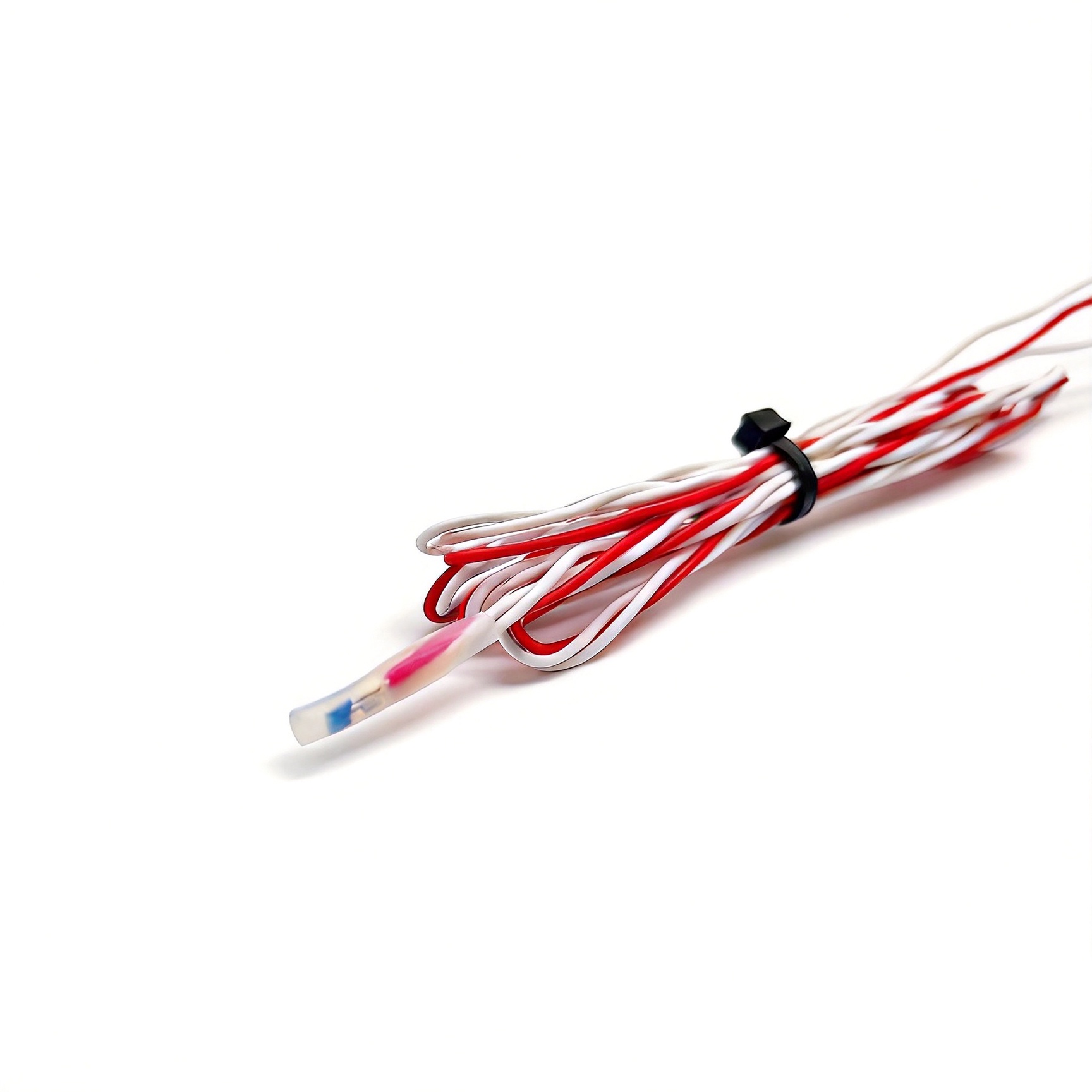
PT100 Temperature Sensor - Plastic-Encapsulated Type
Focused on R&D and Manufacturing
Full range of product certifications
Serving global customers
Navigation
Related products
Send Us A Message
Product Description
Product Advantages
1. Fully sealed, suitable for vacuum varnish dipping.
2. High temperature resistance, capable of long-term operation in a 260°C environment.
3. High voltage resistance, the sensor's hot-melt solid probe can withstand AC3000V.
4. Acid and alkali resistance, corrosion resistance, resistant to various corrosive gases and liquids.
5. High shock resistance, with moderate plasticity.
6. Compact size, basically applicable to various confined spaces.
7. Fast heat conduction, faster response speed and higher accuracy.
Electrical Performance
1. Insulation Resistance: 500VDC > 100MΩ
2. Dielectric Strength Test: <1mA 1500VAC 60s
3. Drop Test: Free fall from a height of 3 meters, no visible damage
4. Protection Rating: IP67
5. Measurement Range: -50°C ~ 260°C
6. Accuracy Class: F0.3 (B)
7. Allowable Current: Max 1mA
Current Measurement and Self-Heating
The power supply current heats the platinum thin-film sensor. The resulting temperature measurement error is calculated using the following formula:
Δt = P × SP
Power loss = I² × RS
The self-heating coefficient is expressed in K/mW.
The datasheet specifies the self-heating coefficient for each product.
Self-heating is determined by the thermal contact between the platinum thin-film sensor and the surrounding medium.
If the heat dissipation to the environment is highly efficient, a higher measured current can be obtained.
There is no specified lower limit for the measured current of platinum thin-film sensors; it largely depends on the application.